



Center for Coastal & Marine Studies
Generation Ocean starts today!
Today, it is the launching of a new global movement to build and strengthen knowledge to take action for the ocean we urgently need to save. Today, it is the launching of Generation Ocean (GenOcean).
Whether we live inland or by the sea, the ocean is essential to life and livelihoods; it is humanity's most constant and loyal supporter. Its waters connect us to one another, and its influence on our lives can be felt on a daily basis.
However, due to human activity, the ocean is under stress, and we have reached a decisive moment in our capacity to get it back on track.
EVERY GENERATION HAS A PART TO PLAY.
Whoever you are, wherever you're from, no matter what age, we are all GenOcean!
Join the global movement to grow awareness, build knowledge and drive action to restore, protect and live better with the ocean.
MARSPLAN-BS II OUTPUTS ON INTEGRATING LAND-SEA INTERACTIONS IN MSP ARE AVAILABLE IN THREE REPORTS
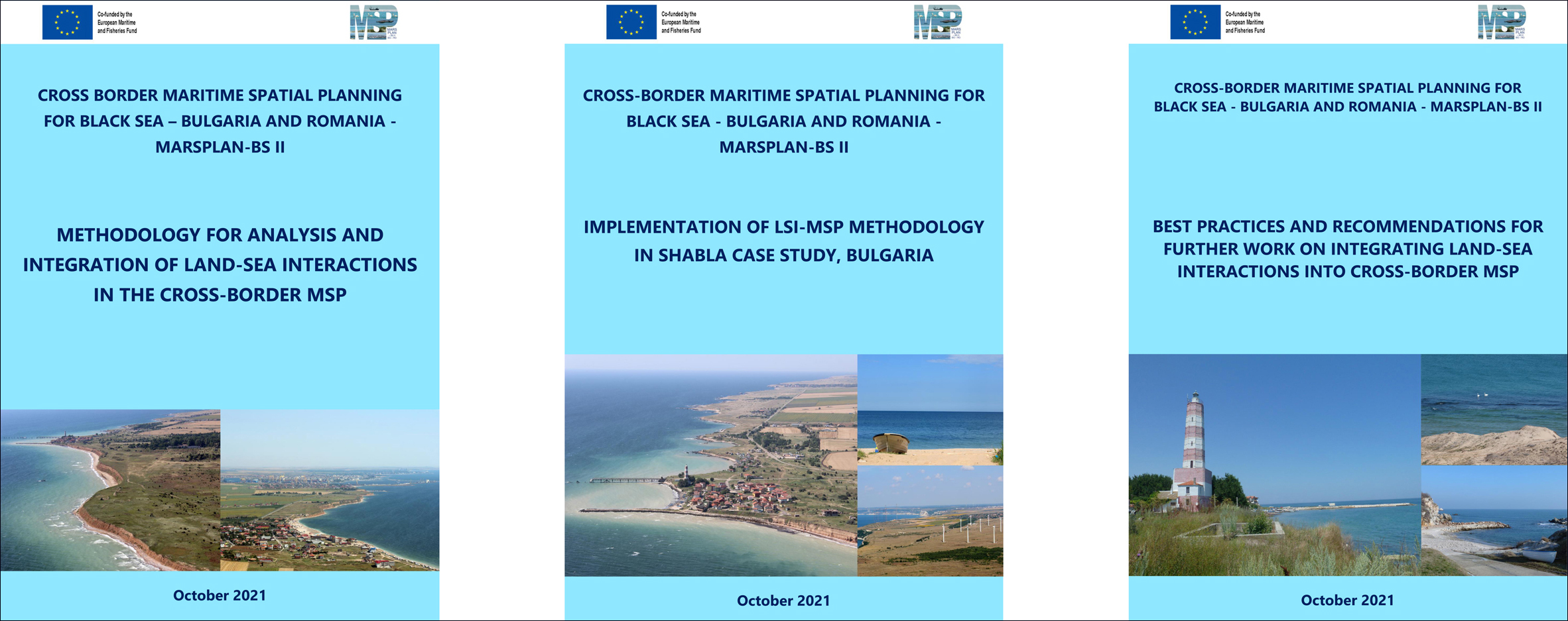
The Center for Coastal and Marine Studies (CCMS) has led the development and elaboration of the Land-Sea Interactions (LSI) reports and case study under the MARSPLAN-BS II project (WP2, Activity 2.3 Integration of LSI in MSP for the cross-border region).
The Report on Methodology for analysis and integration of Land-Sea Interactions in the cross-border MSP provides relevant methodology for analysis and integration of LSI in the MSP, transferable for application to the national MSP plans of Bulgaria and Romania.
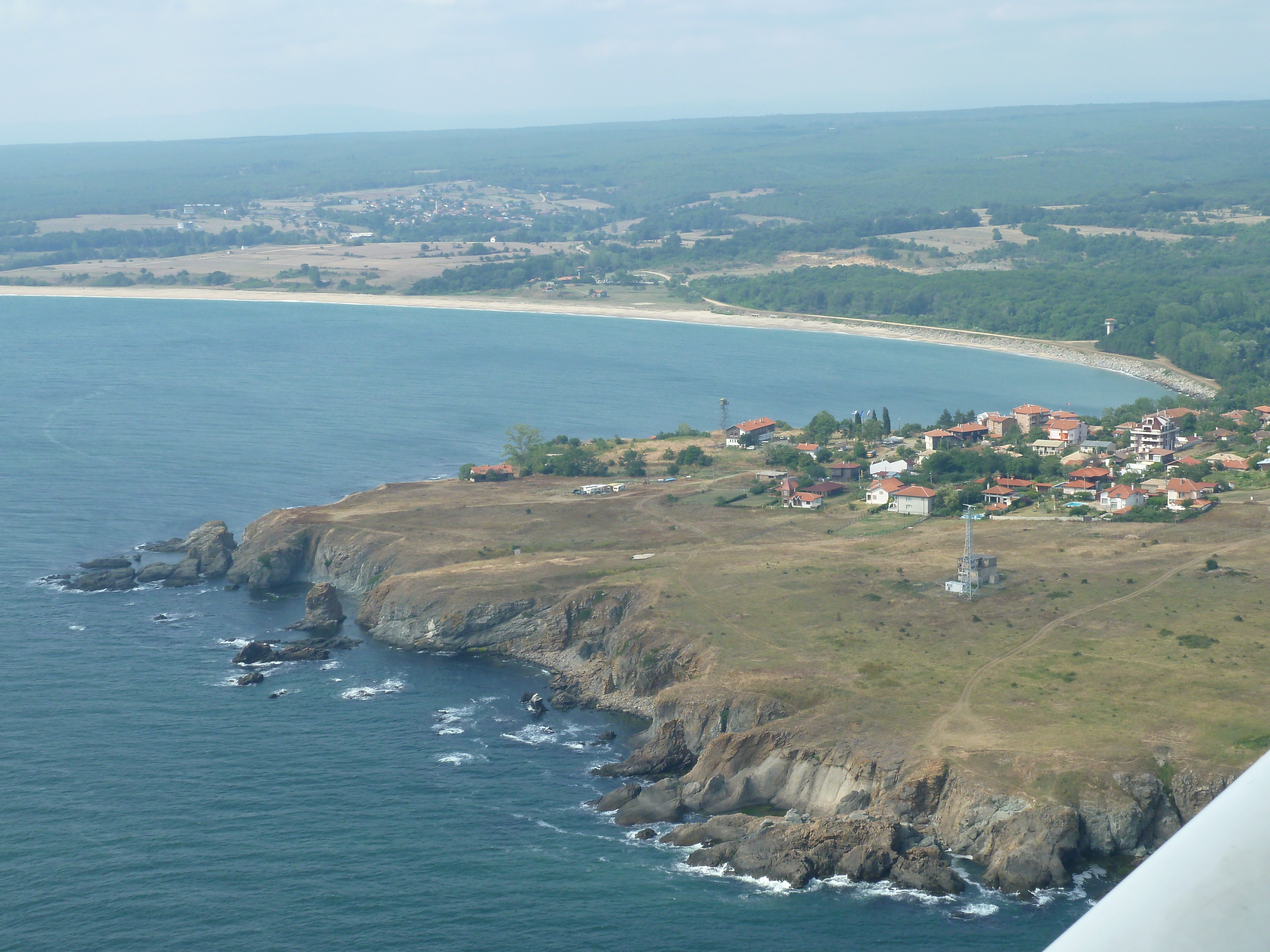
The Report on Implementation of LSI-MSP methodology in Shabla Case Study presents the results of testing the proposed LSI methodology in Bulgaria (Shabla Municipality): LSI stocktaking, in-depth analysis of LSI and key messages for LSI integration in MSP.
The Report on Best practices and recommendations for further work on integrating Land-Sea Interactions into cross-border MSP provides synopsis of the existing and emerging approaches and mechanisms for addressing the LSI and integrating them in the MSP (EU project-based studies and general frameworks), identified challenges and enablers on integrating LSI in MSP and concludes with key recommendations to overcome these challenges.
Follow the full reports on the MARSPLAN-BS II website: http://www.marsplan.ro/en/
CCS January 2022 Newsletter published and ready for read!
The Commission on Coastal Systems (CCS) to the International Geographical Union (IGU) is delighted to release its January 2022 Newsletter: you can discover the latest news, CCS recent and upcoming activities, initiatives and collaborations by following CCS website: http://igu-coast.org/.
The CCS Newsletter is issued twice a year and highlights the activities of the Commission on Coastal Systems and its members all across the world. If you would like to join CCS network, you only need to fill out the form at the end of the Newsletter or to get in contact with CCS!
Enjoy the content of CCS January 2022 Newsletter and participate by sharing information and disseminating it to your wide networks and interested readers.
Commission on Coastal Systems, International Geographical Union.
CCMS team has had a joint peer-reviewed research paper published in the MDPI Land open-access scientific journal!
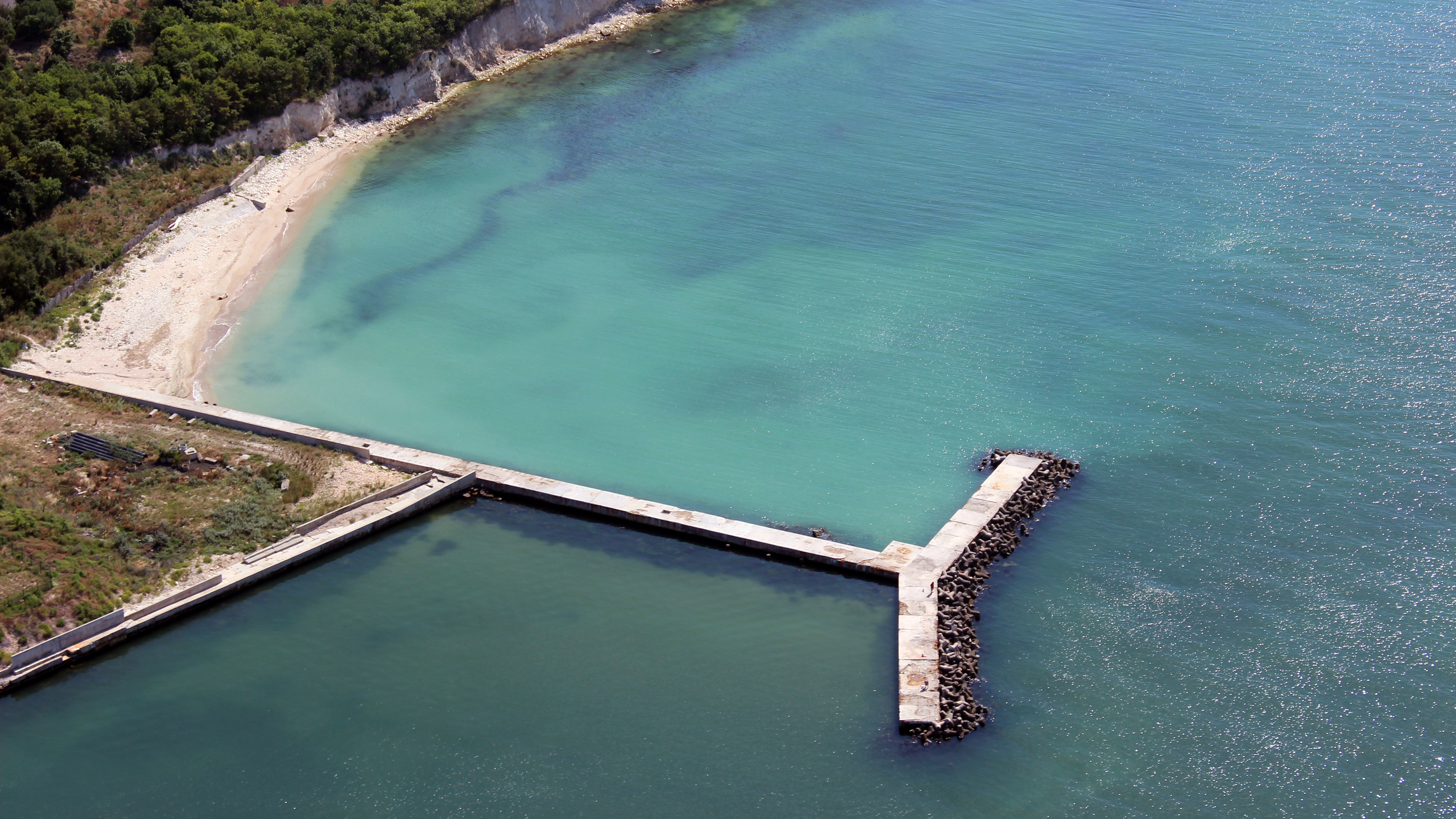
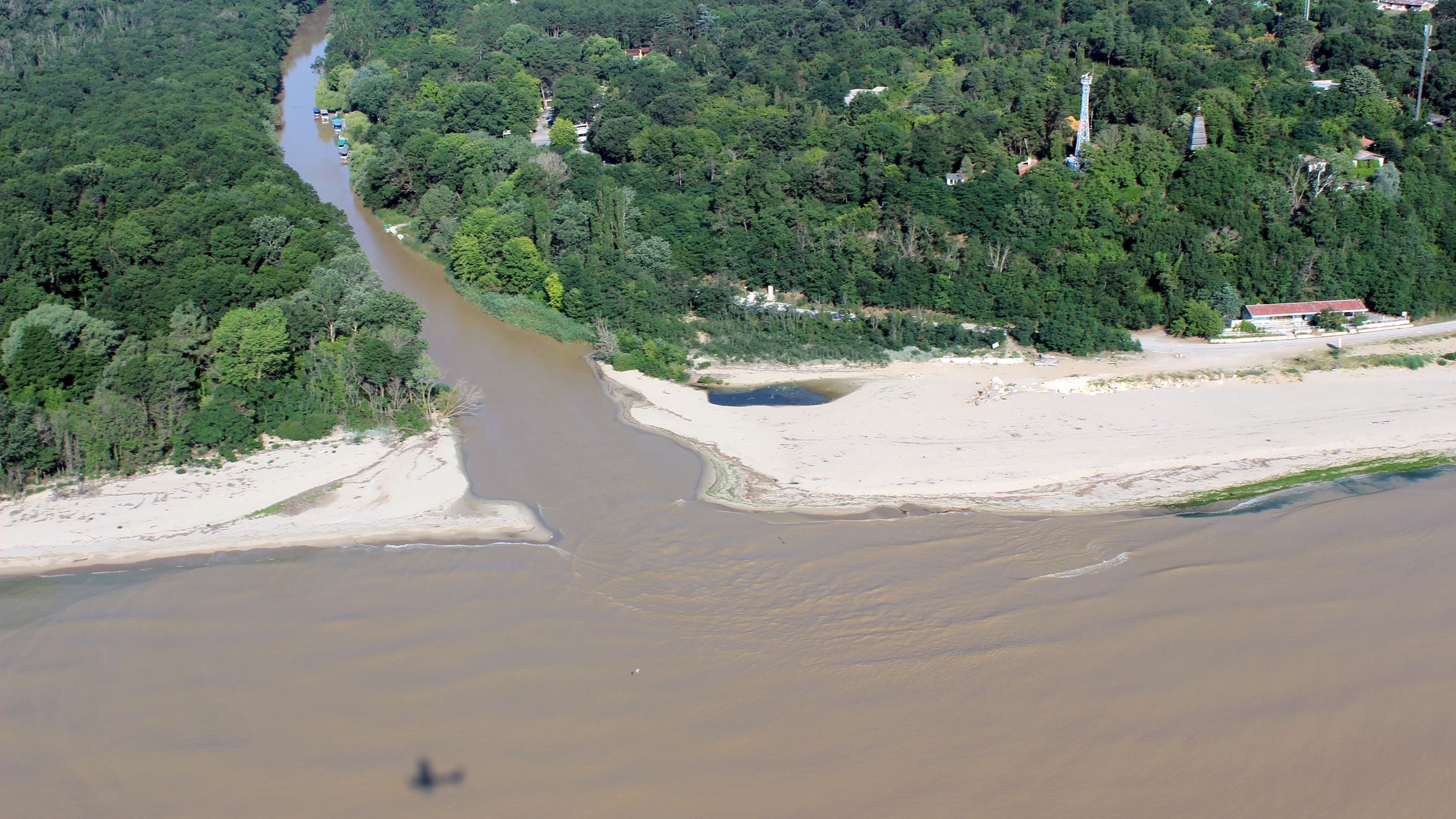
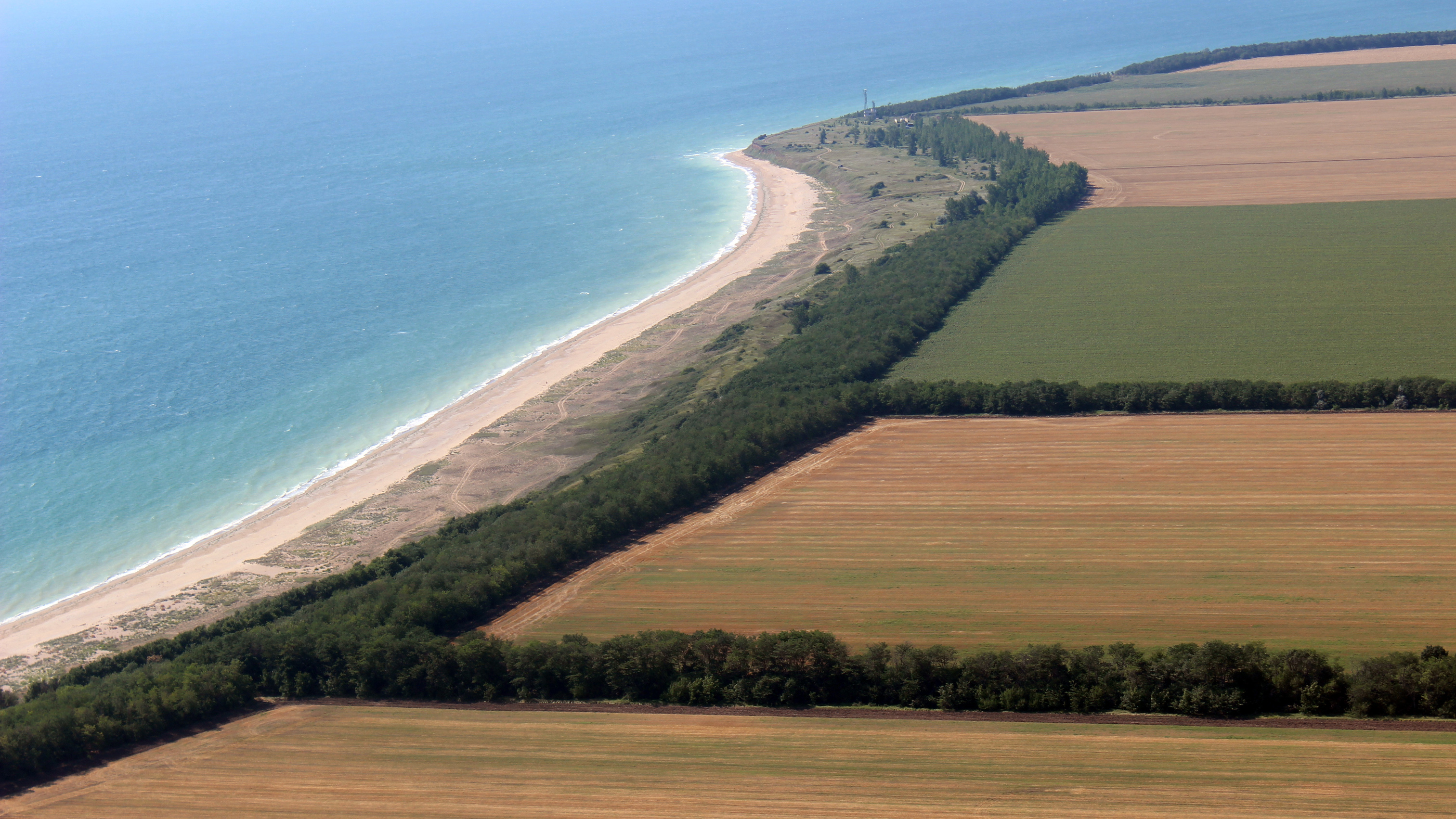
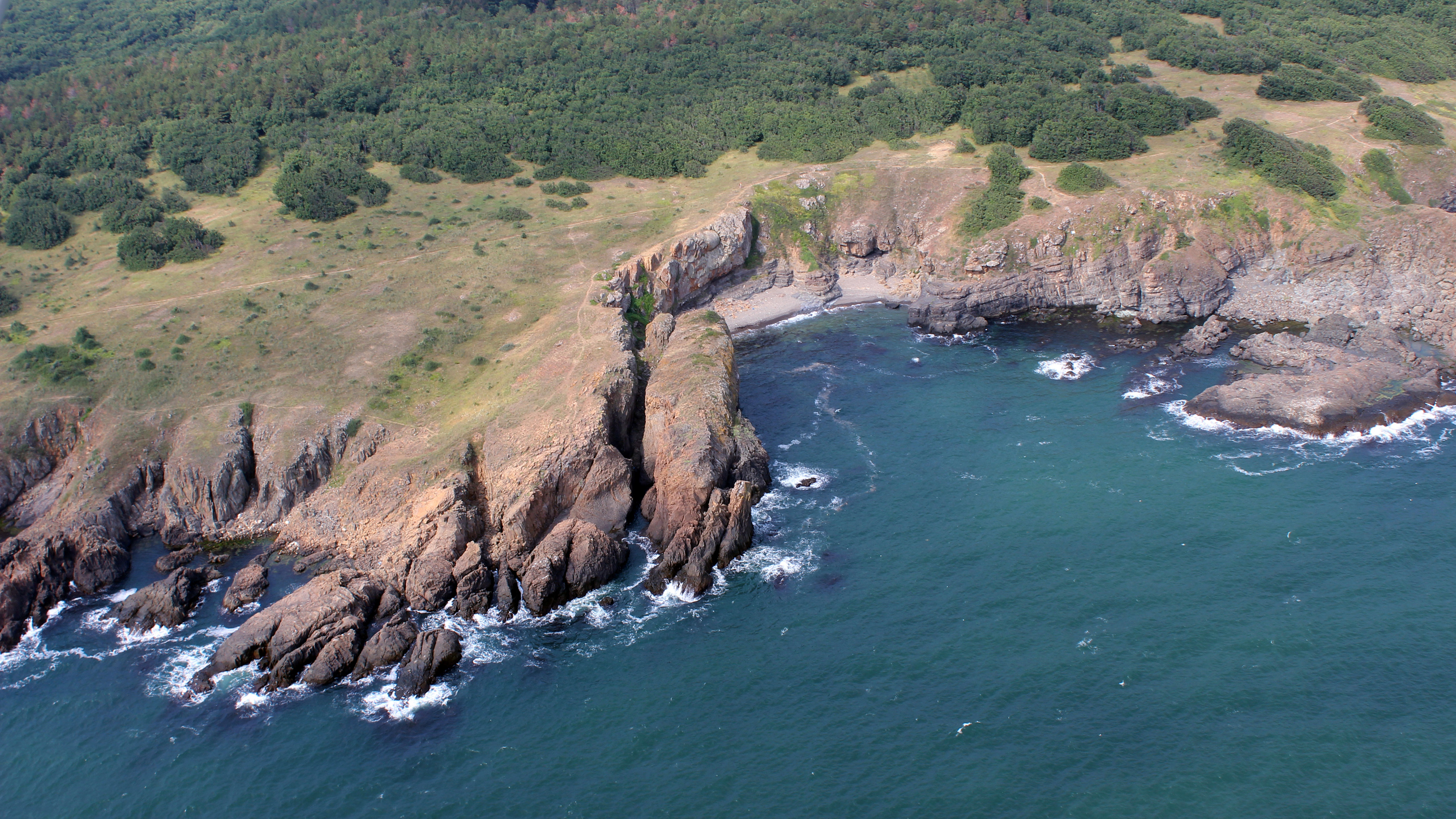
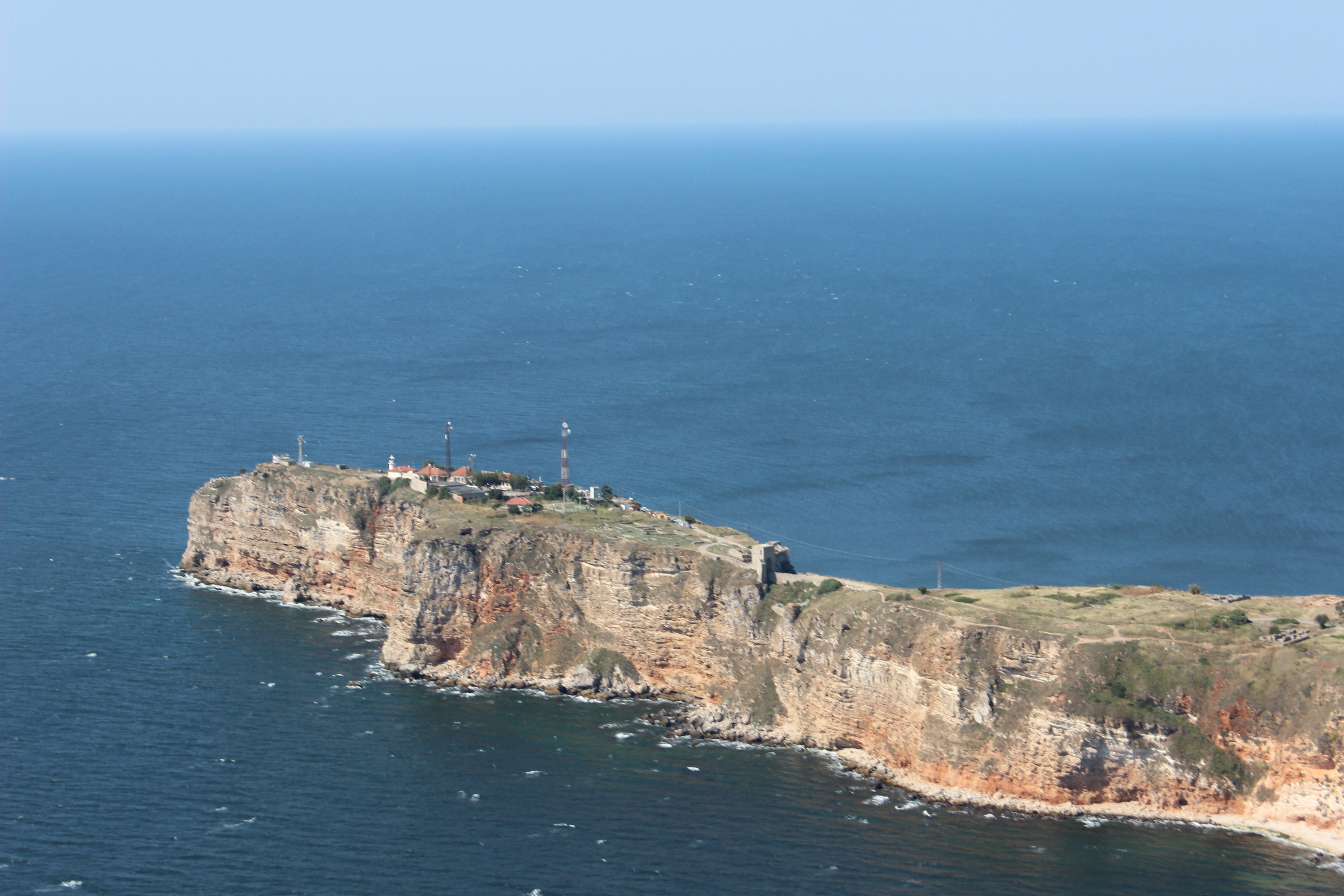
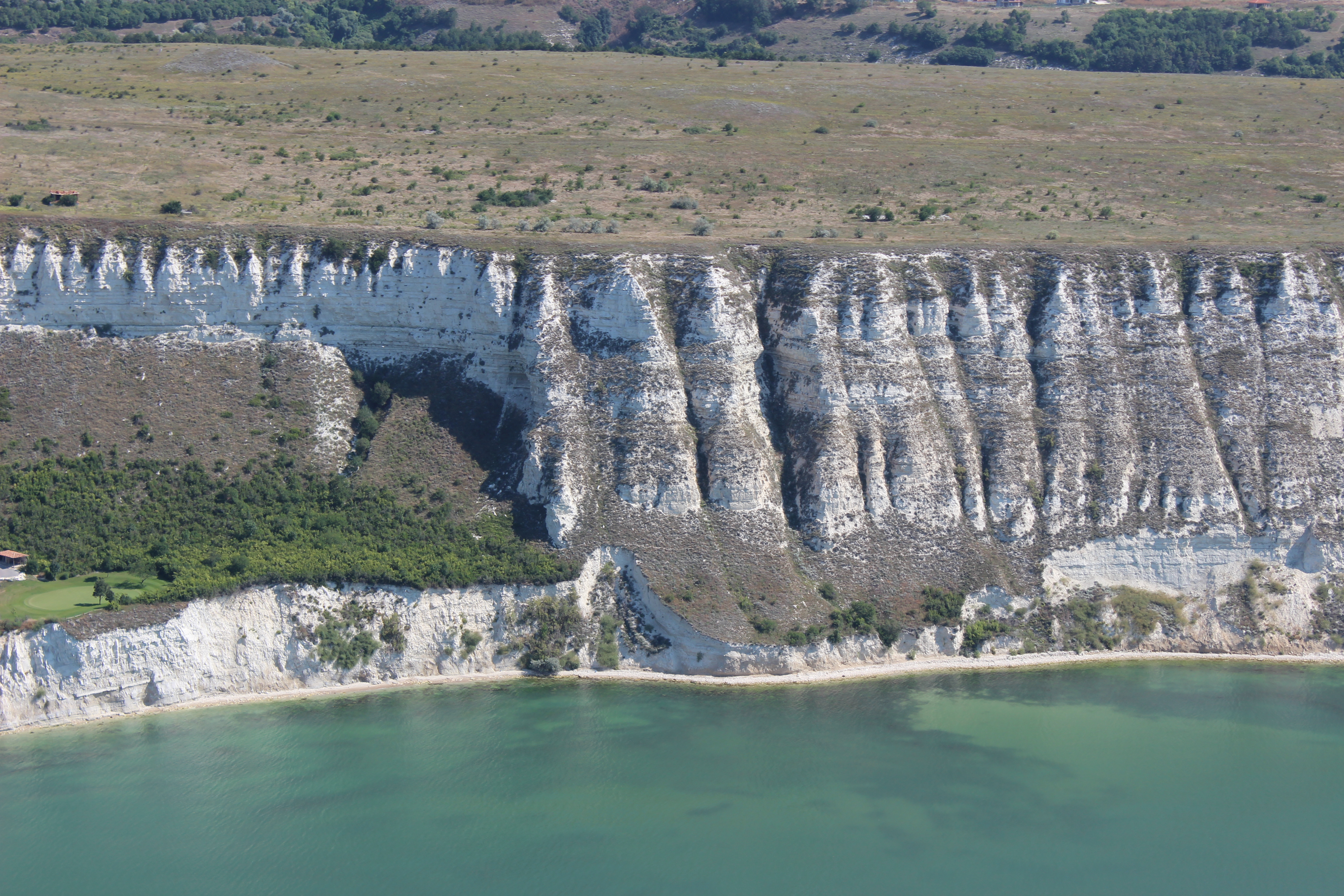
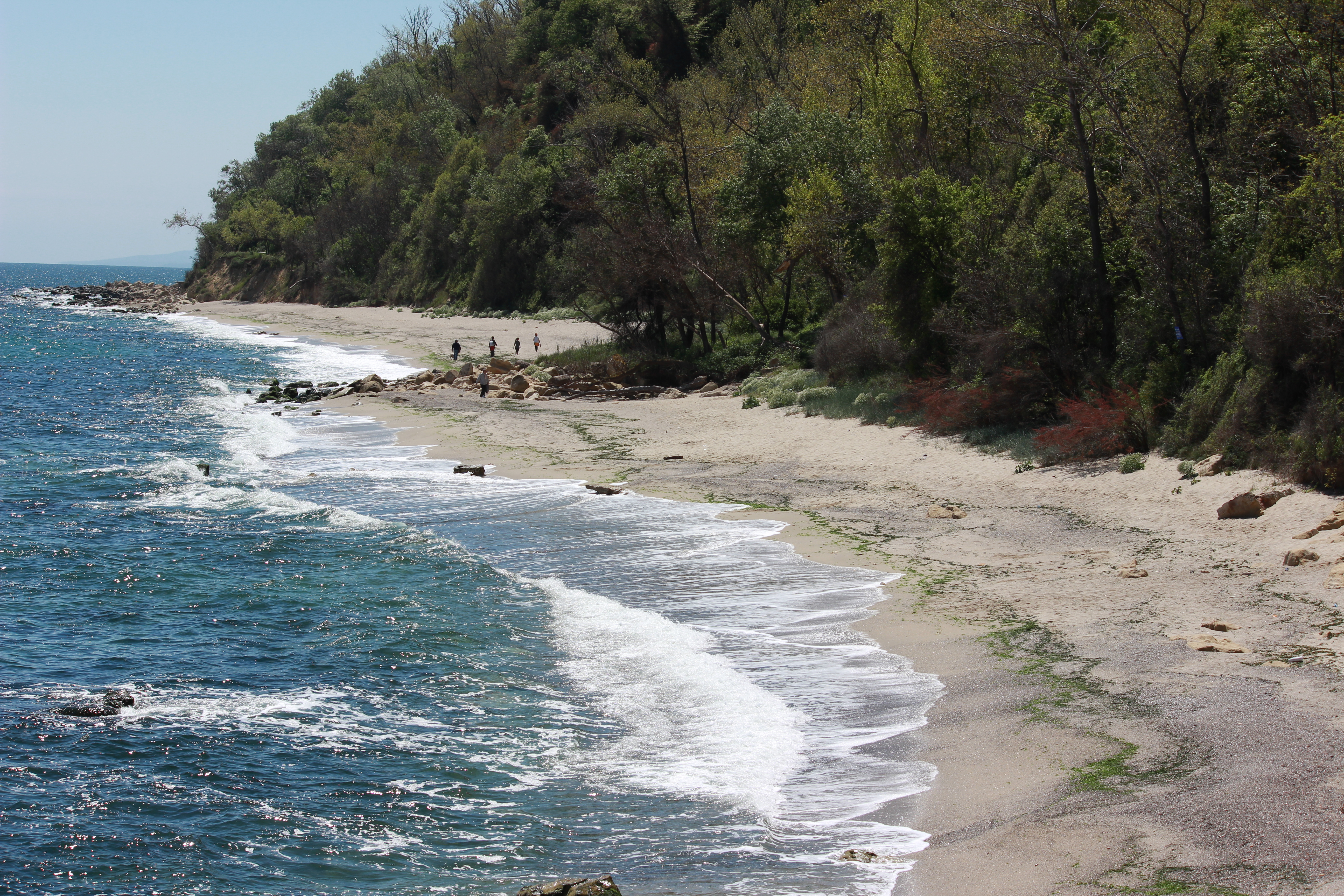
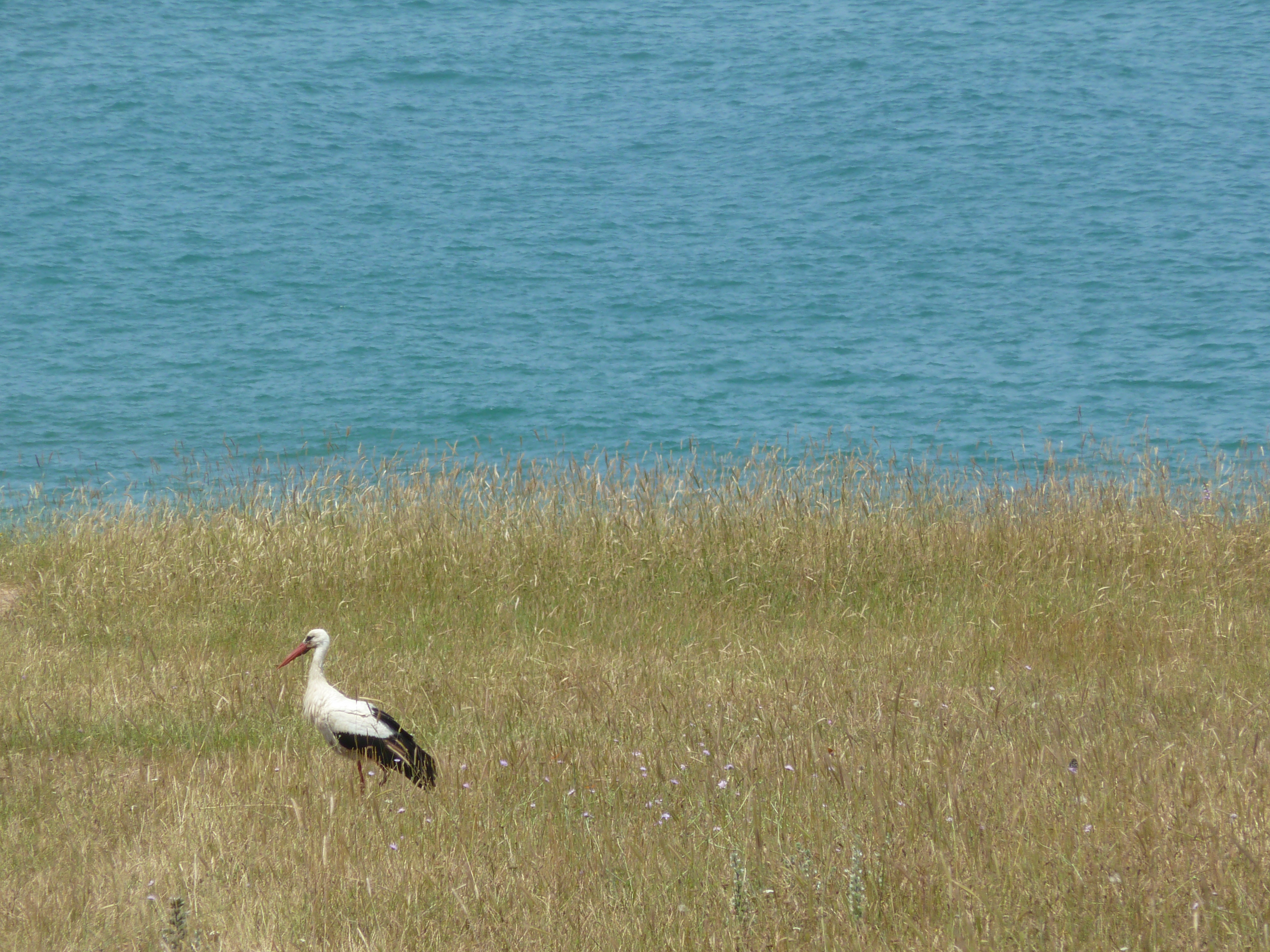
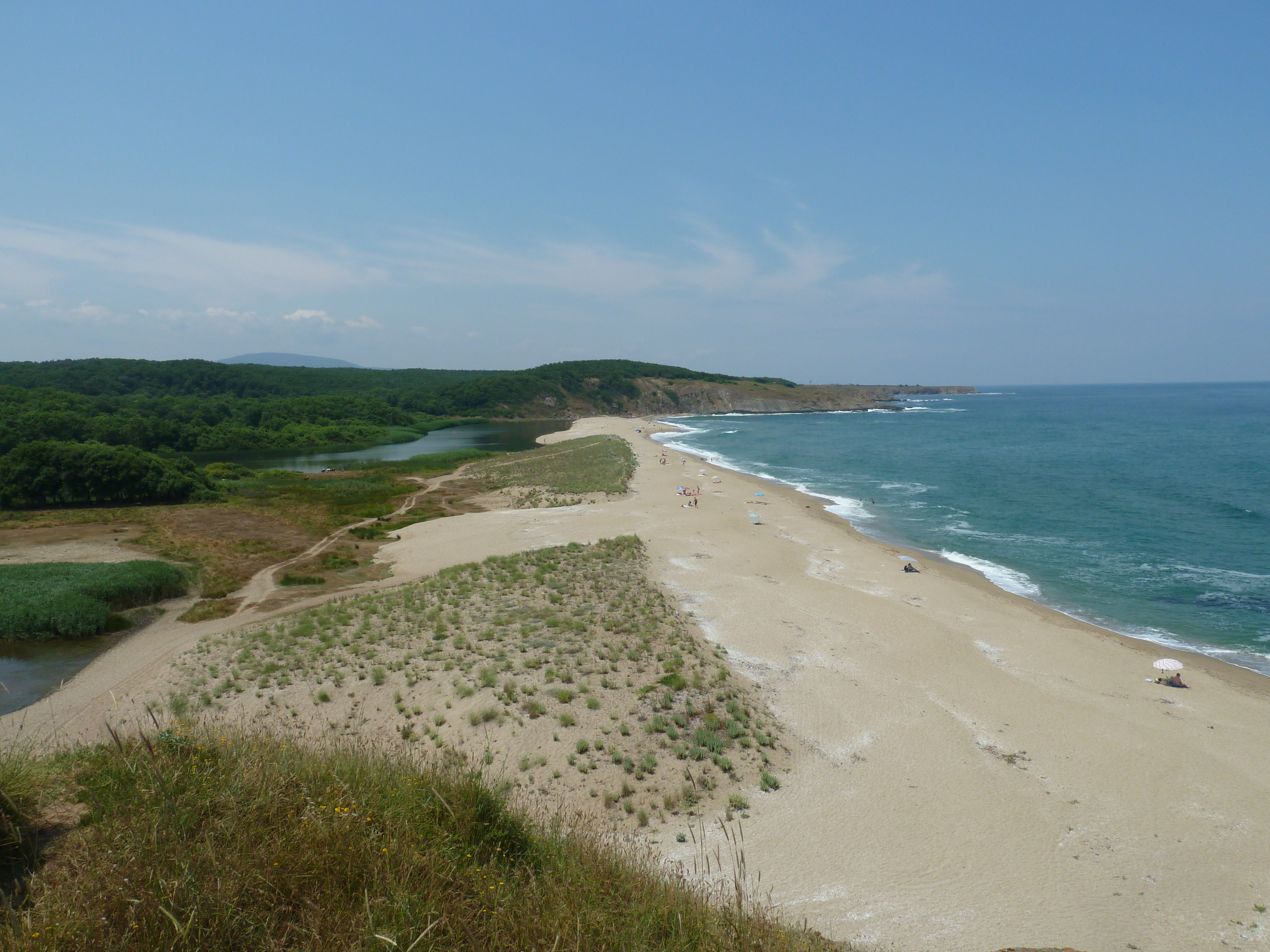
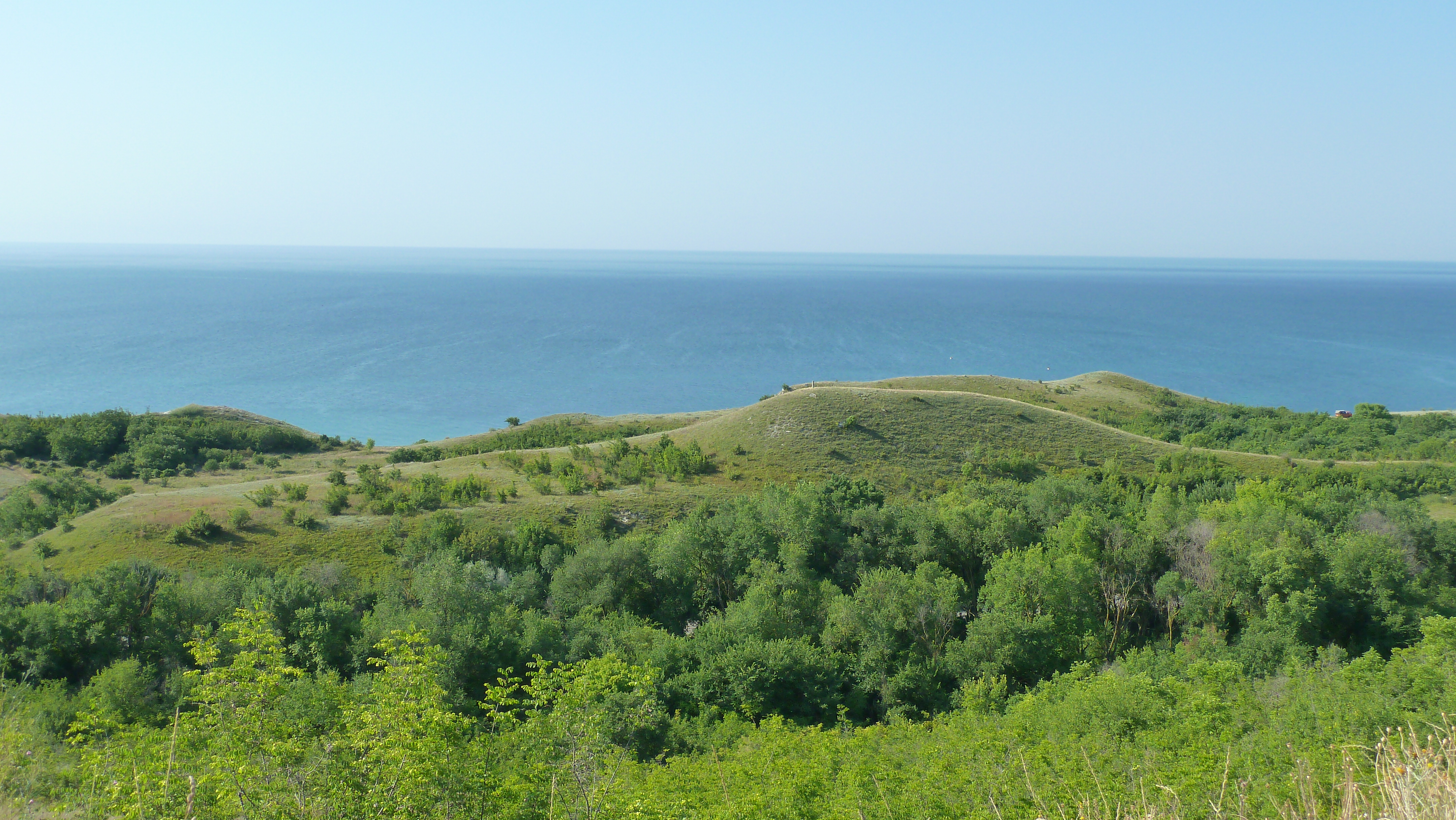
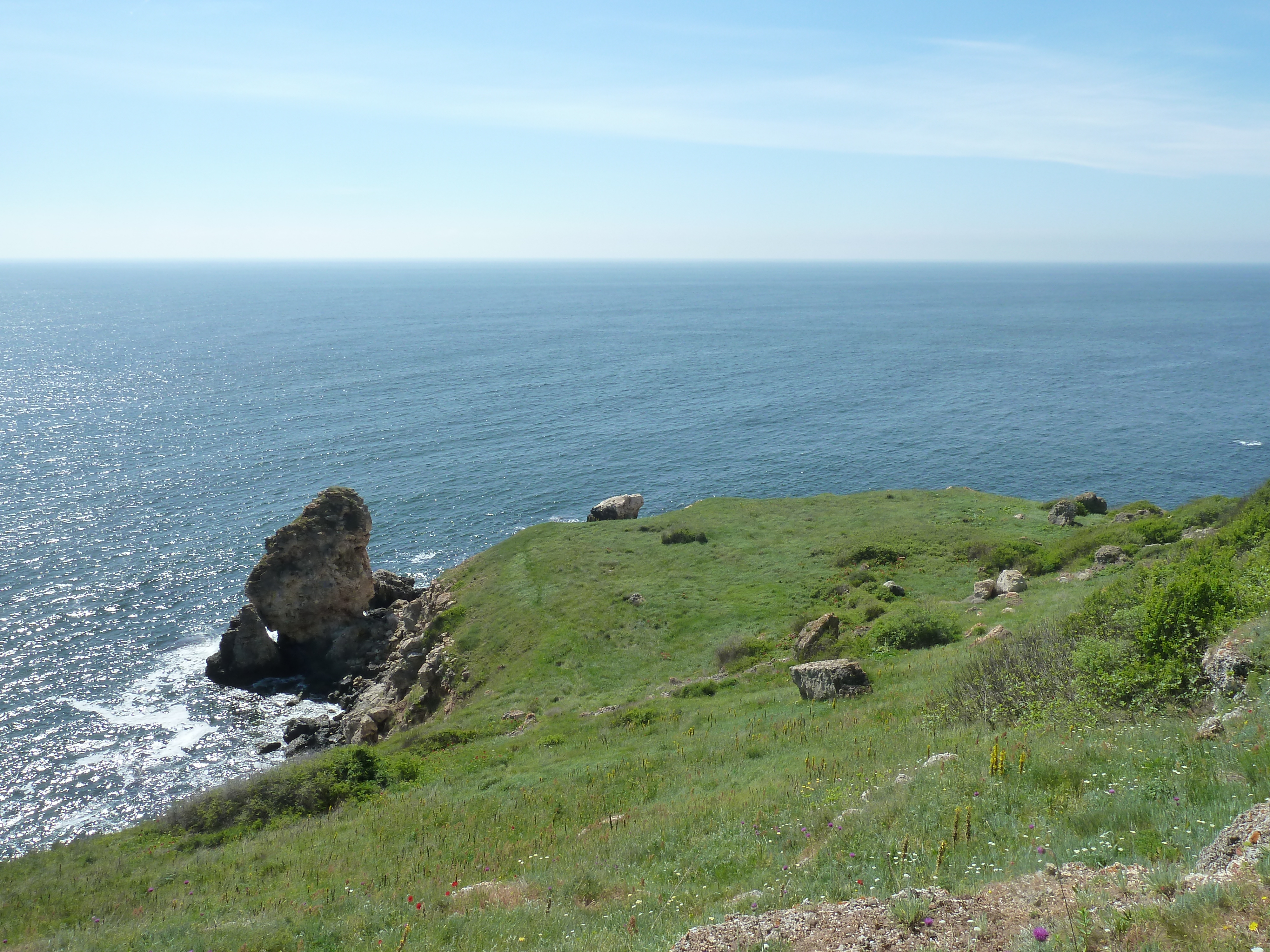
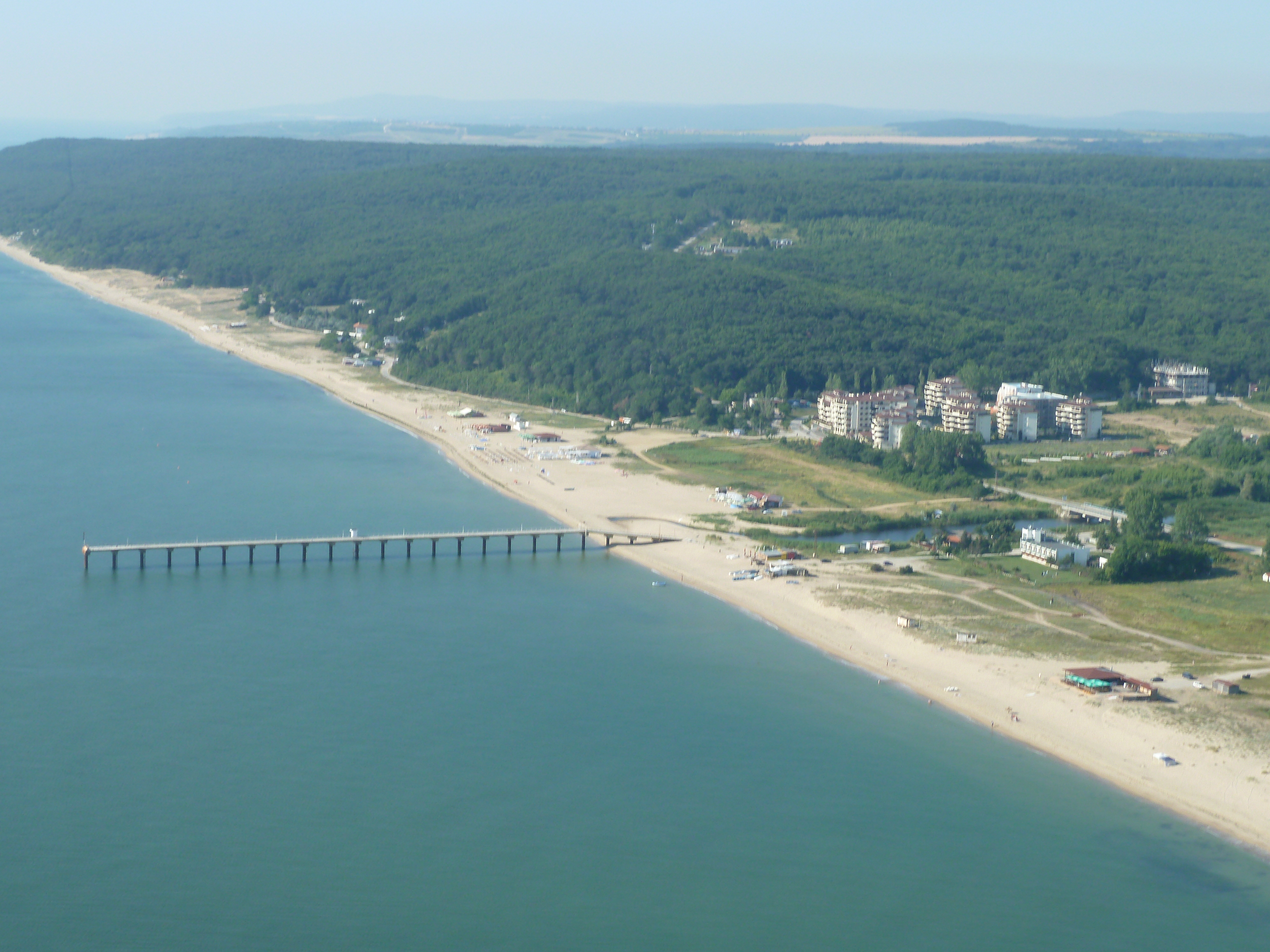
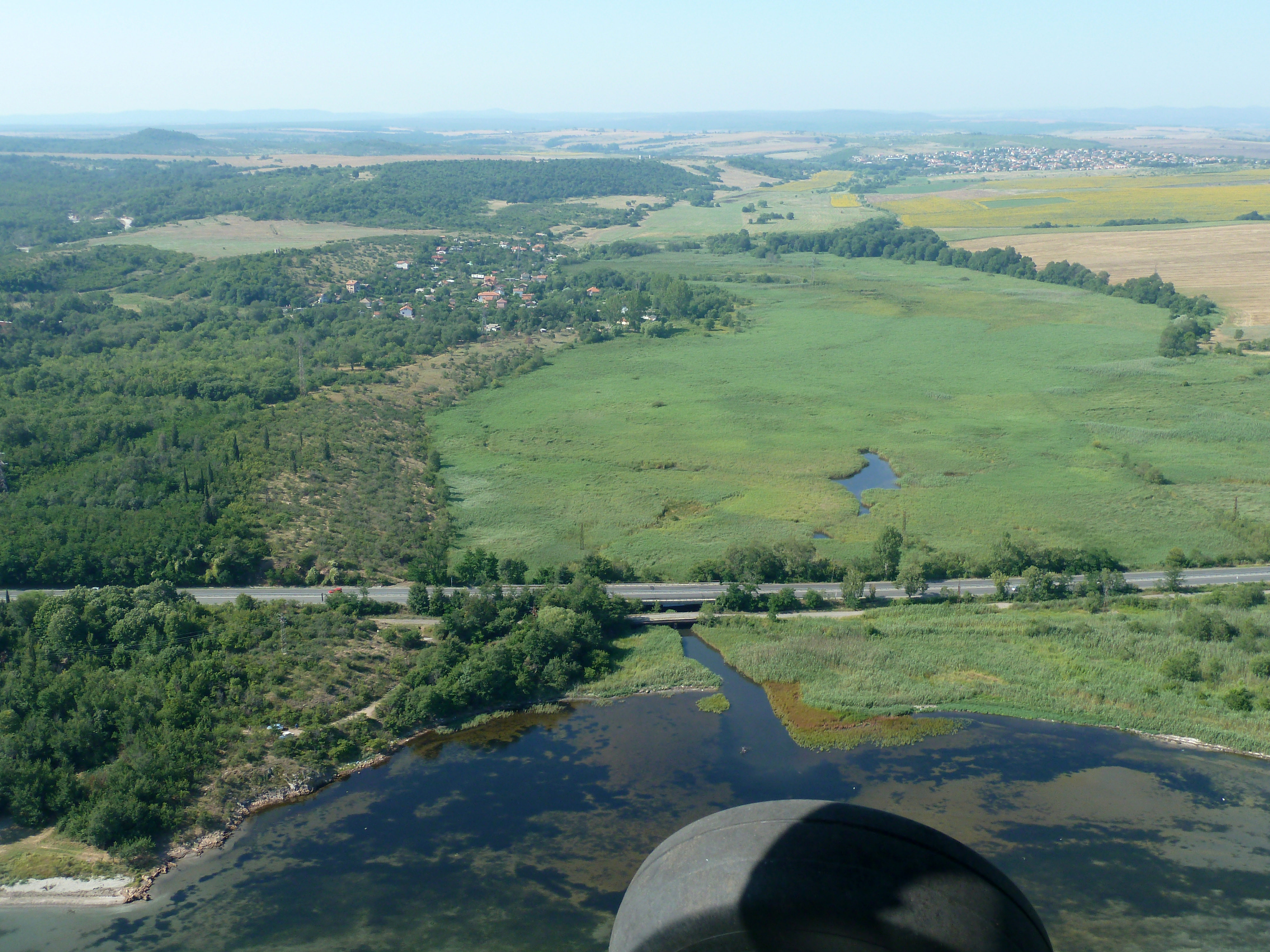
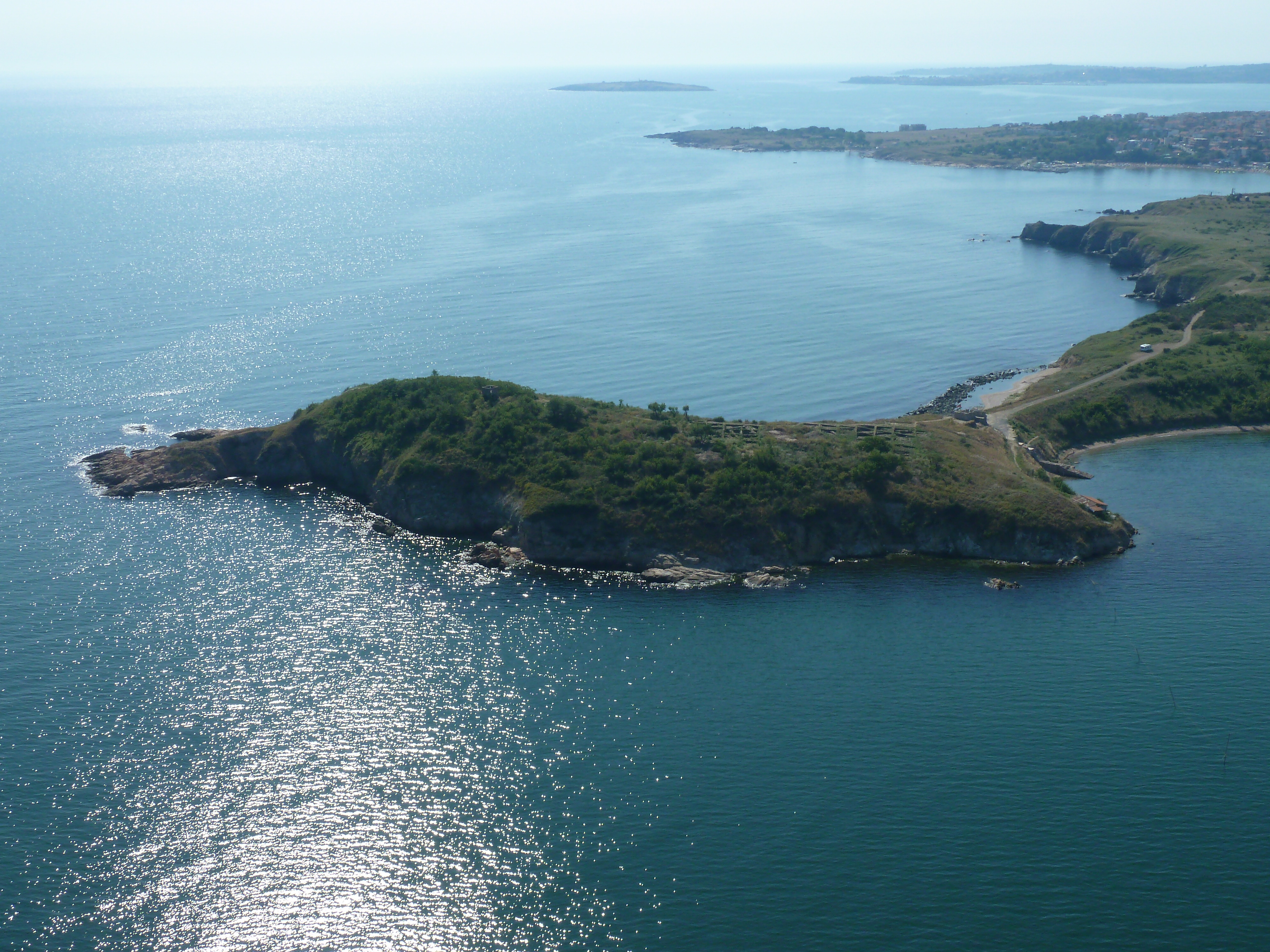
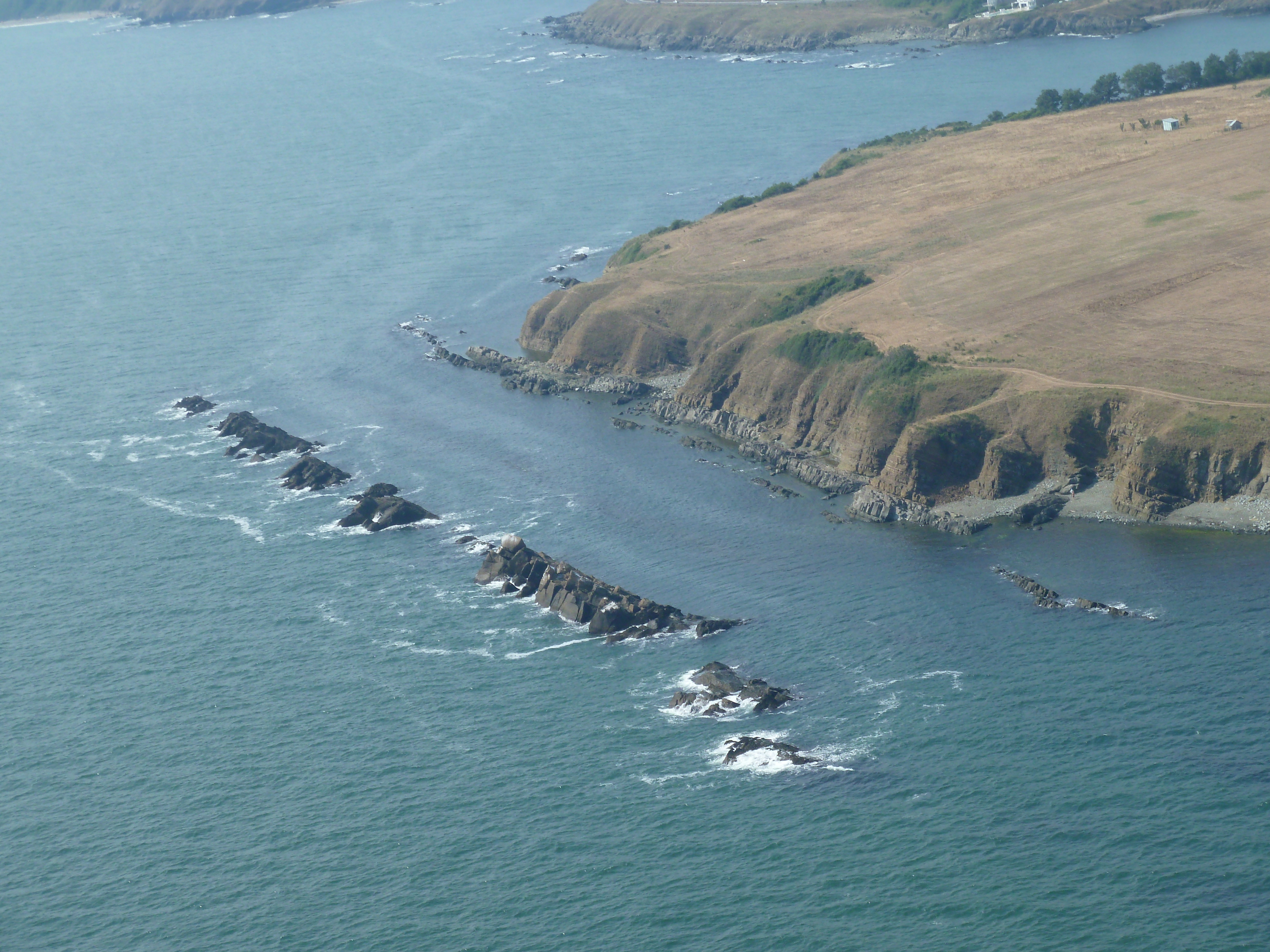
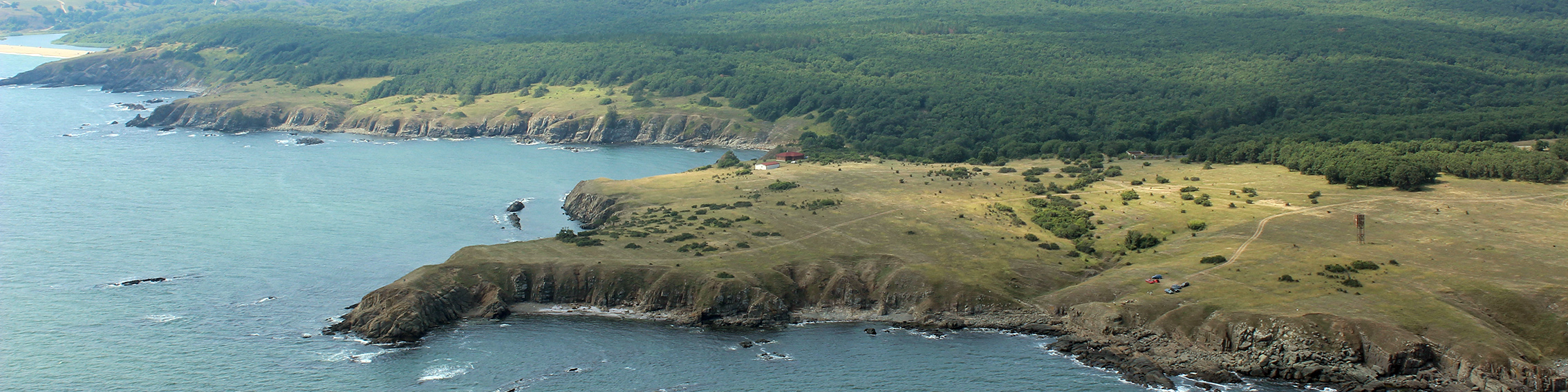
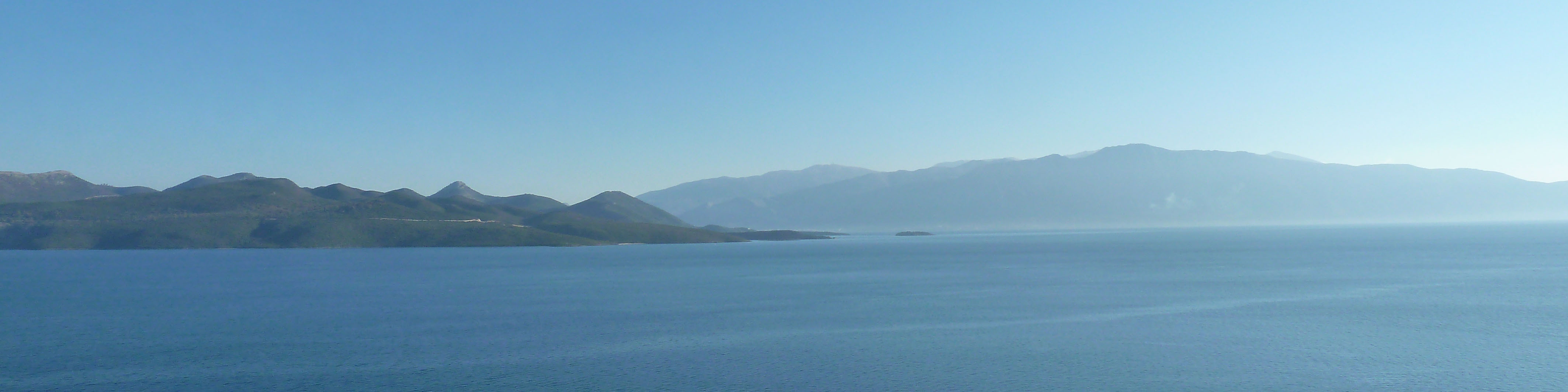
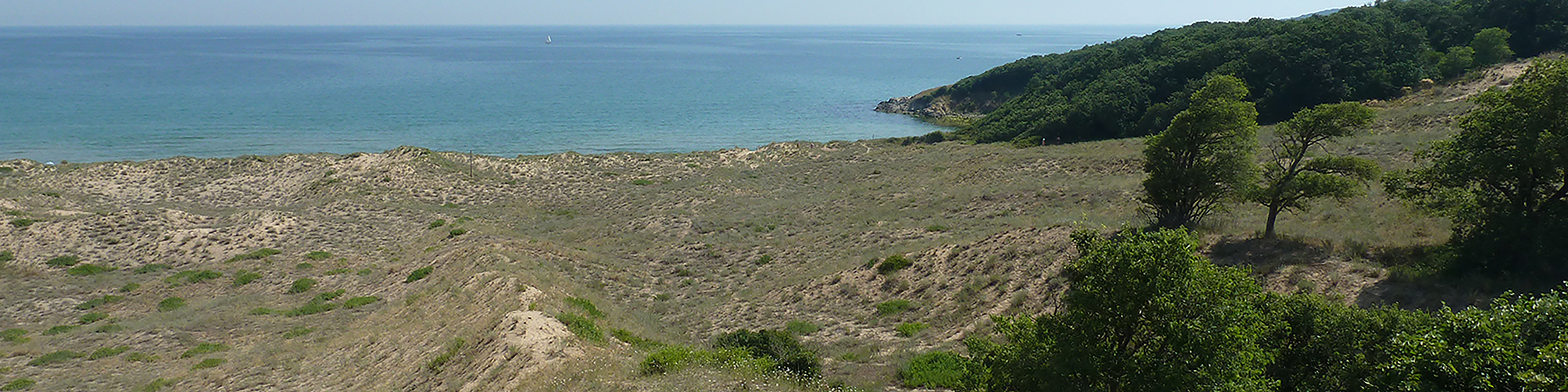
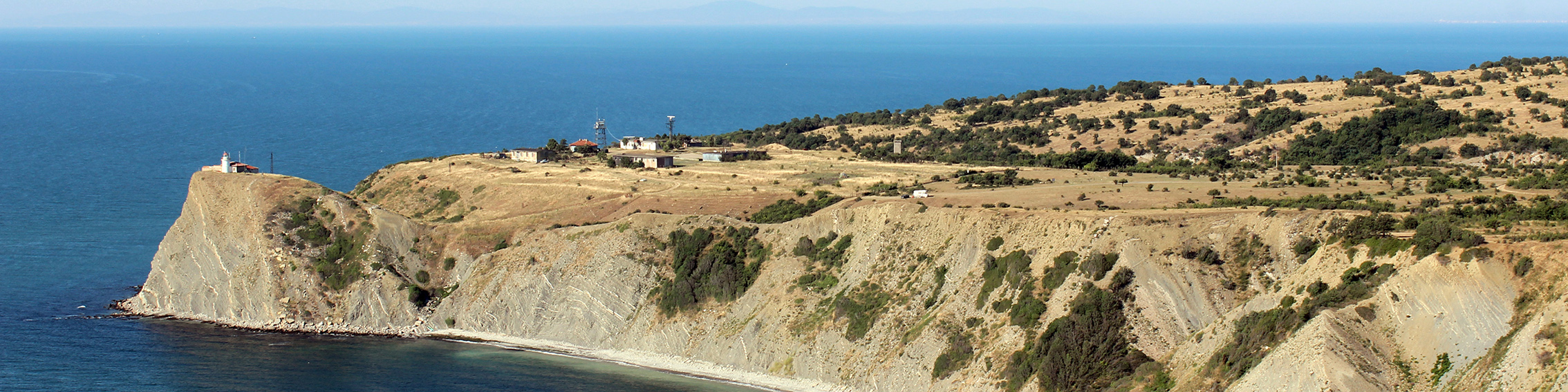
We are pleased to promote our most recent peer-reviewed research paper: Most Attractive Scenic Sites of the Bulgarian Black Sea Coast: Characterization and Sensitivity to Natural and Human Factors. The article has been published in the MDPI Land open-access journal, Special Issue: Land Modifications and Impacts on Coastal Areas in collaboration with:
• Department of Science and Technology (DiST), Parthenope University, Naples, Italy;
• Faculty of Marine and Environmental Sciences, University of Cádiz, Spain; and
• Department of Architecture, Computing and Engineering, University of Wales, Swansea, UK
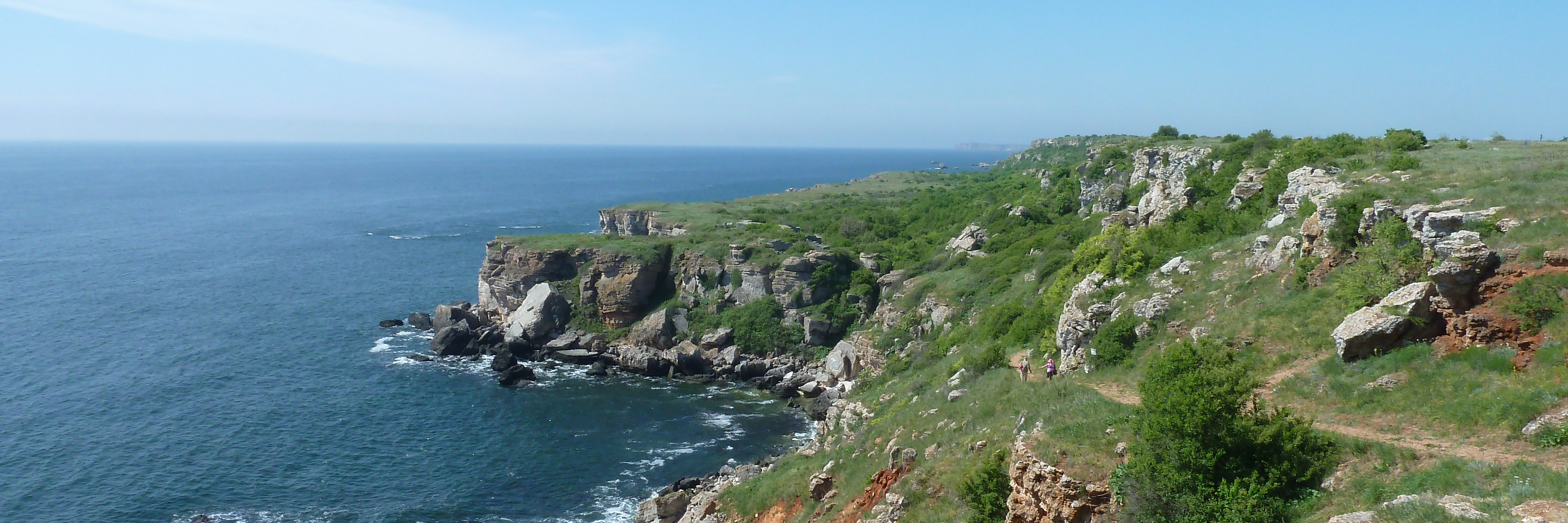
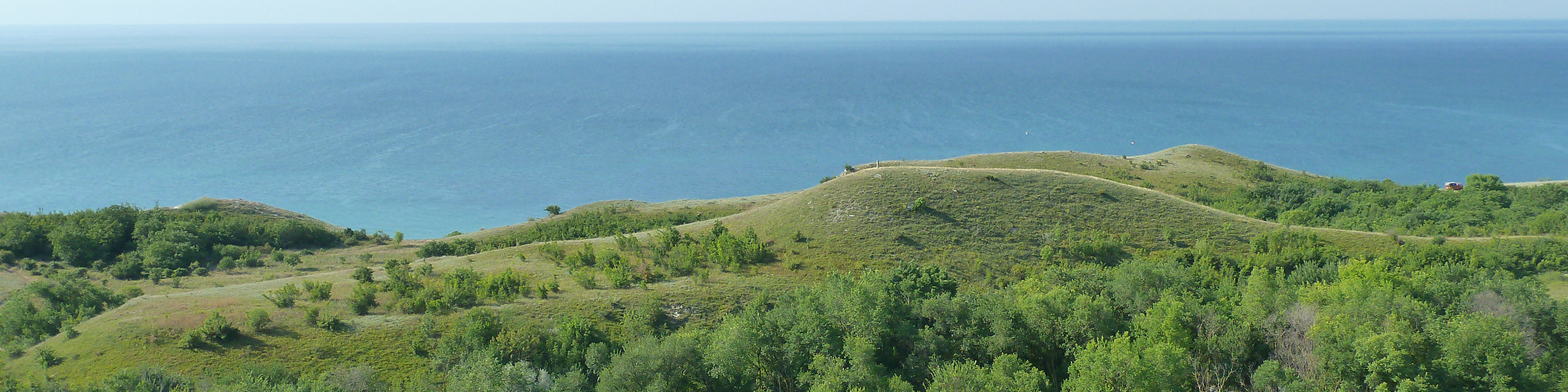
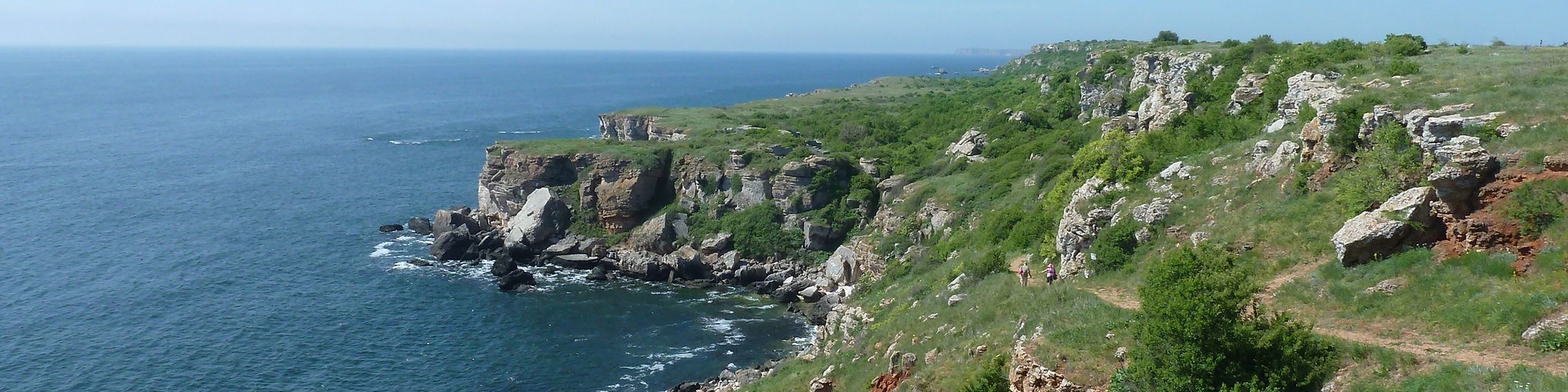
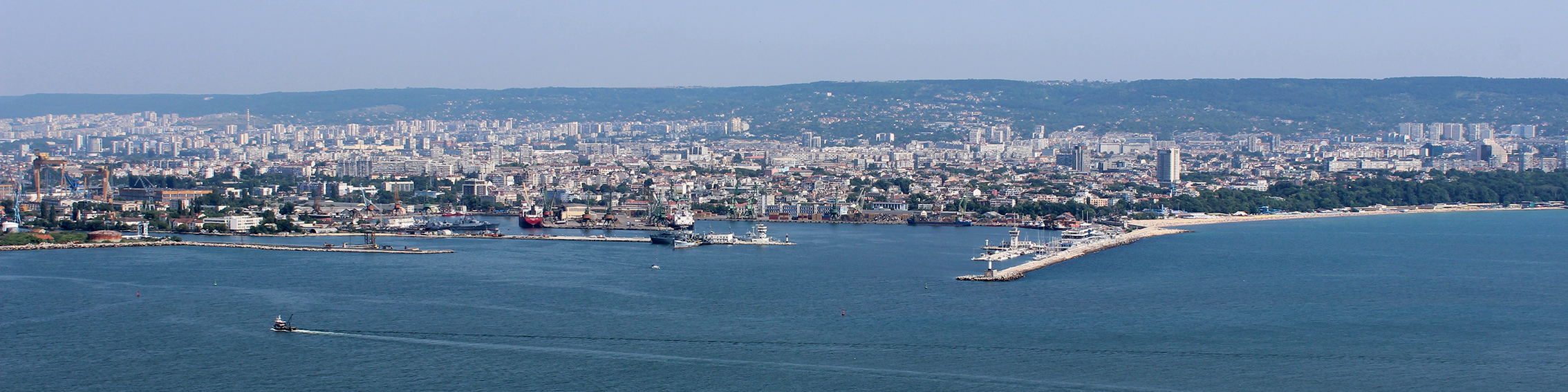
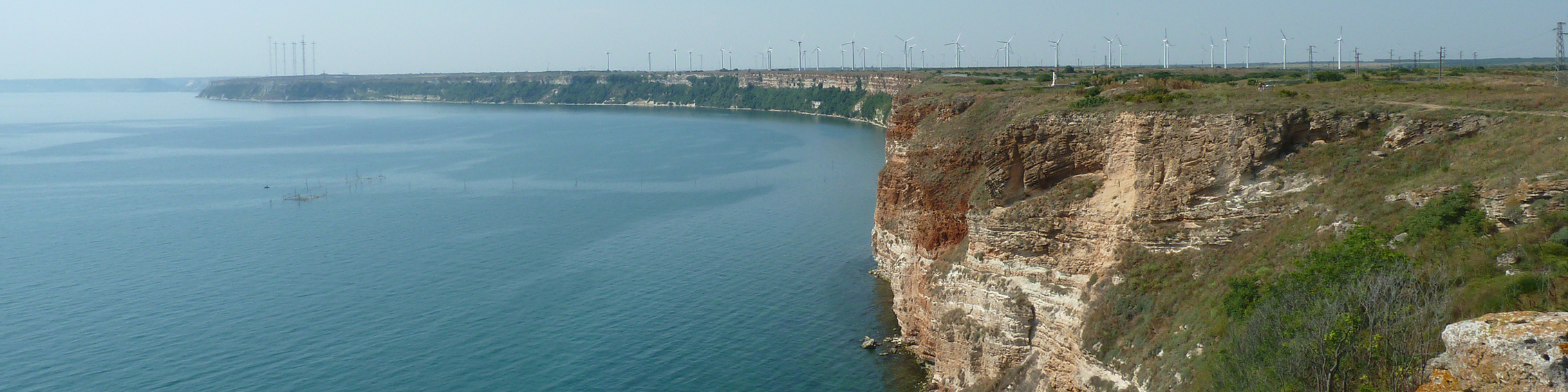
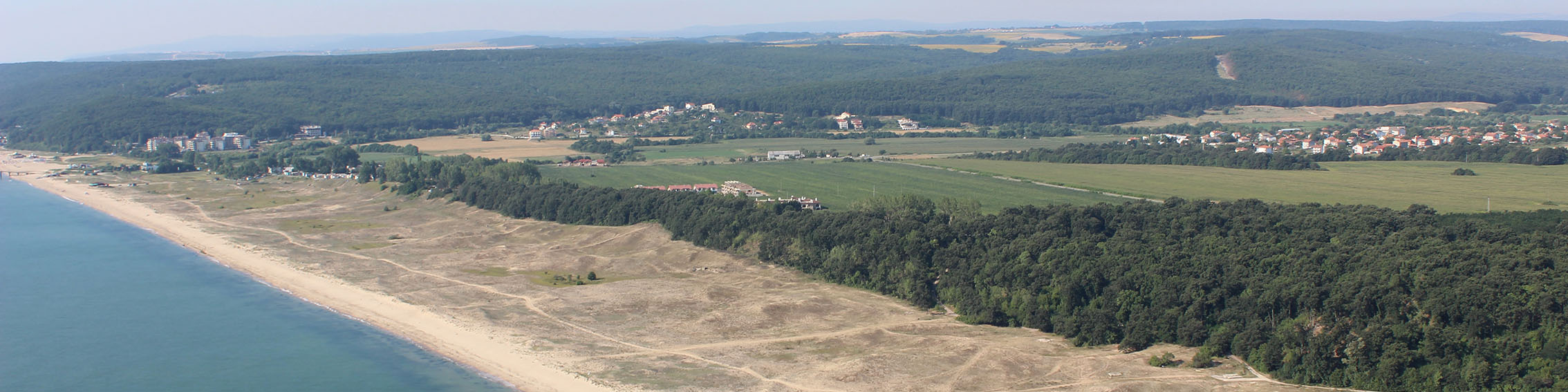
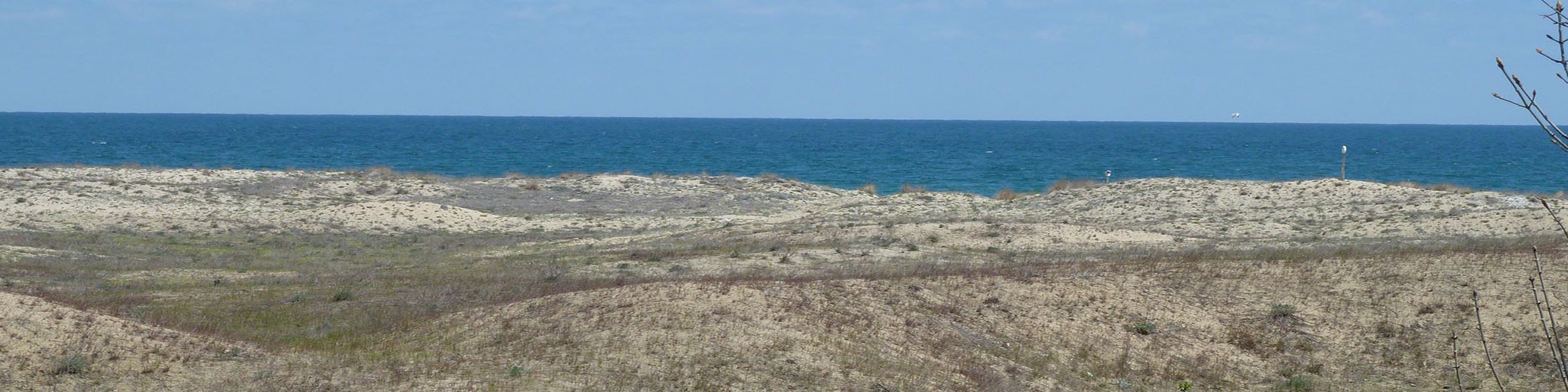
Bulgaria has impressive scenic diversity and uniqueness, presenting real challenges and opportunities as an emerging tourist destination in terms of sustainable development. However, such as most developing countries, Bulgaria tend to ignore mistakes made previously by developed ones. In this paper, scenic beauty at 16 coastal sites was field-tested by using a well-known methodology, i.e., the Coastal Scenic Evaluation System (CSES), which enables the calculation of an Evaluation Index “D” based on 26 physical and human parameters, utilizing fuzzy logic matrices. An assessment was made of these high-quality sites located in Burgas (8), Varna (3) and Dobrich (4) provinces.
This is an open access article!